Budget Factors
Why Trampoline Park Prices Are Usually Custom
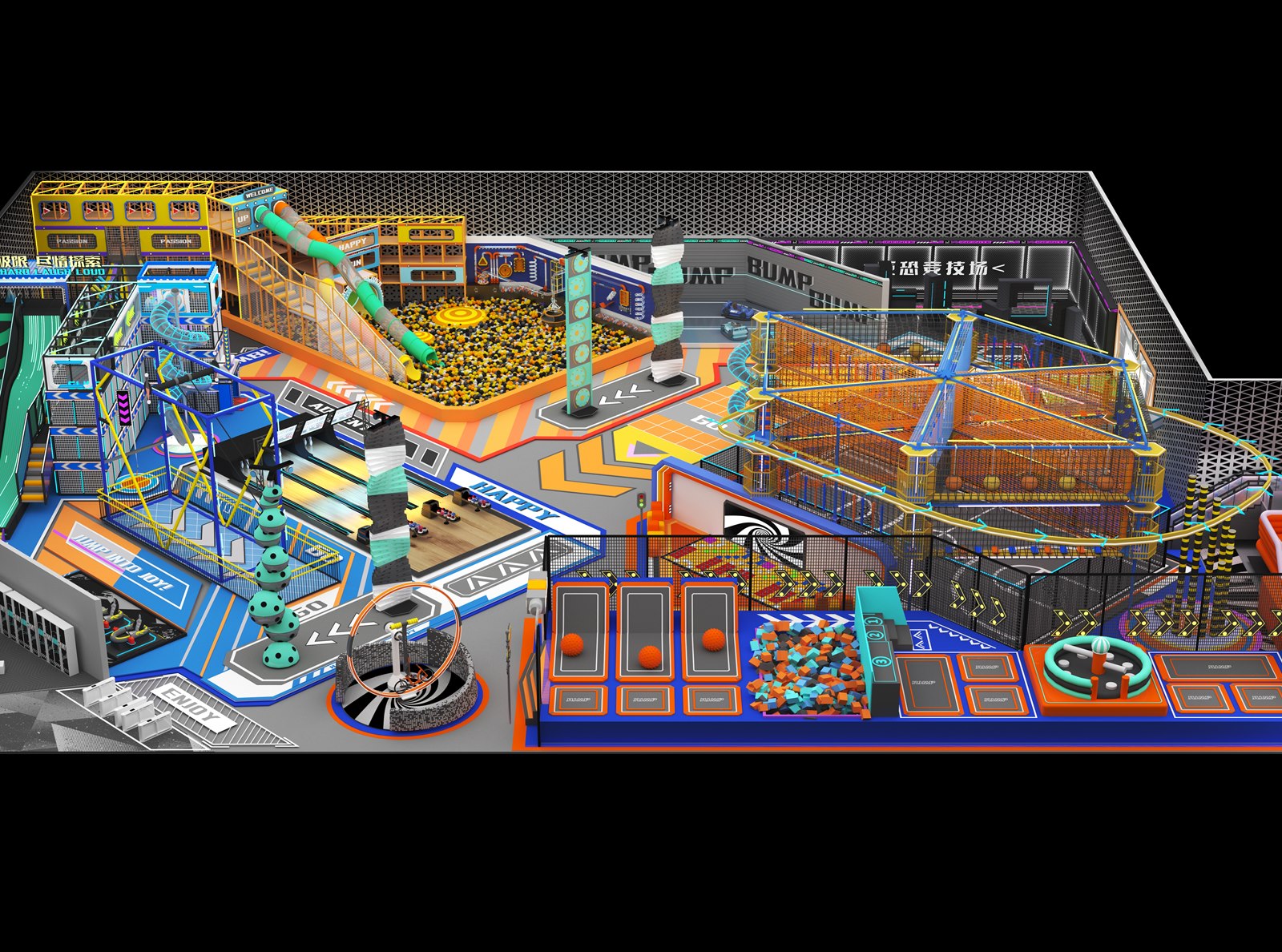
Two trampoline parks with the same floor area can have very different costs. A simple free jump court is not priced like a full FEC layout with dodgeball, basketball dunk, foam pit, ninja obstacles, climbing, toddler trampoline, party rooms, and parent viewing areas.
That is why FEELKIDS recommends starting from a layout. The layout shows where each attraction goes, how visitors move, where staff can supervise, and what safety padding, netting, and structure are needed.
1. Space Size and Clear Ceiling Height
Floor area affects the number of trampoline beds, steel structure, safety pads, netting, walkways, and activity zones. Clear height affects whether the project can include basketball dunk, airbag jumps, climbing, ninja challenges, and larger commercial attractions.
For a compact venue, the equipment mix should focus on high-value activities and simple operation. For a larger family entertainment center, the layout can include multiple activity zones, party flow, viewing areas, and stronger visual impact.
2. Equipment Mix and Attraction Value
The biggest cost difference usually comes from the attraction mix. Common options include free jump courts, dodgeball courts, basketball dunk lanes, foam pits, airbags, ninja courses, battle beams, climbing walls, toddler trampoline zones, slides, and mixed indoor playground areas.
When the budget is limited, FEELKIDS can help prioritize the strongest revenue and repeat-visit zones first. When the venue needs a premium position, the design can include more themed decoration, challenge activities, and visual features.
3. Safety Padding, Netting, and Standards Review
Safety details are a major part of trampoline park cost. Padding thickness, court separation, netting, entrance control, supervision visibility, fall areas, and activity zoning all affect both price and operation.
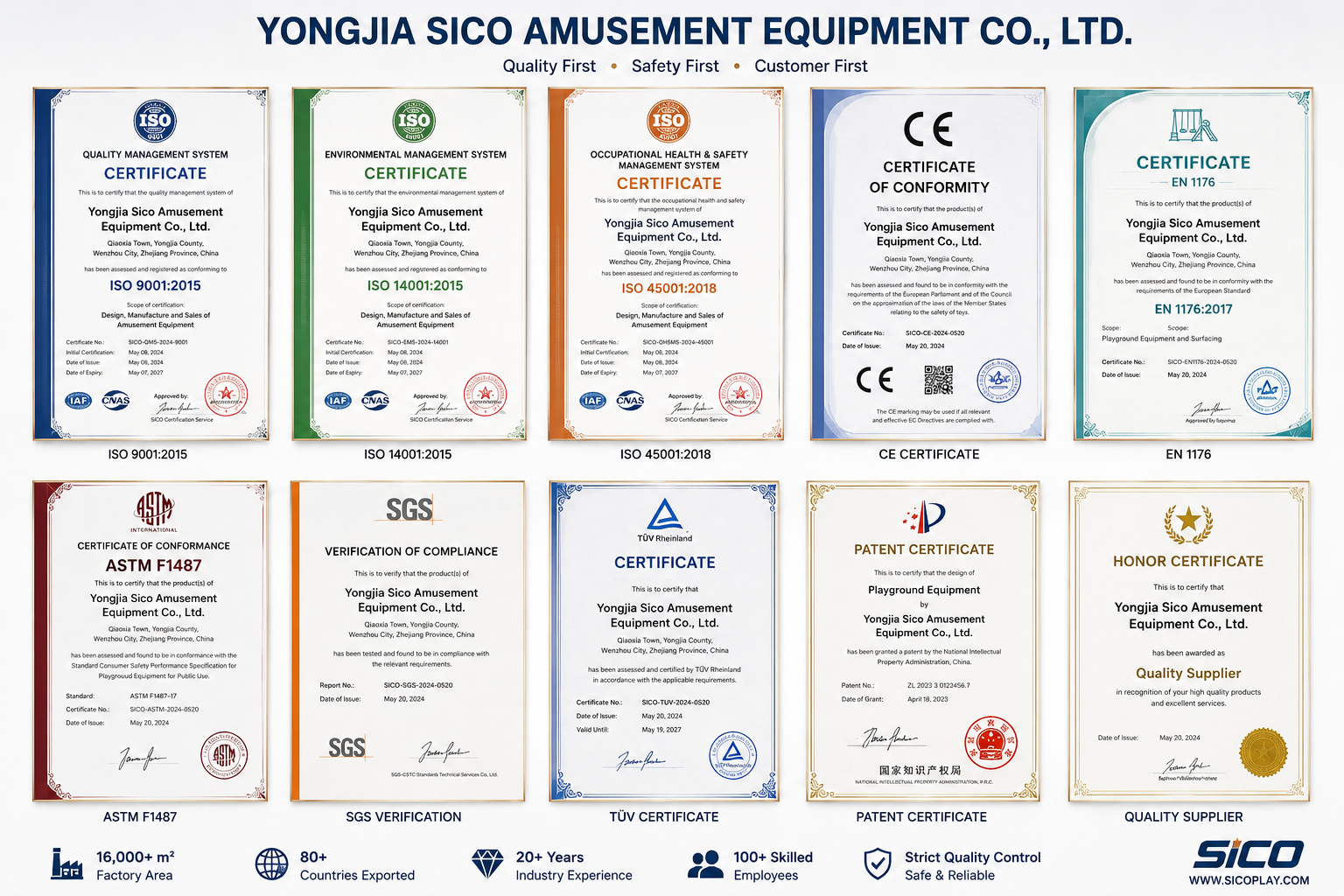
FEELKIDS can plan with ASTM/EN-aware safety thinking for overseas projects. Buyers should still confirm final requirements with local inspectors, insurance advisors, and authorities before opening.
4. Shipping, Import, and Installation
Export packing, container volume, sea freight, customs, tax, local delivery, and installation are separate from equipment production. These items should be considered early, especially for the United States, Canada, Europe, and other overseas markets.
FEELKIDS provides packing lists, installation drawings, reference photos, online guidance, and project communication. Overseas installation support can be discussed for suitable projects.